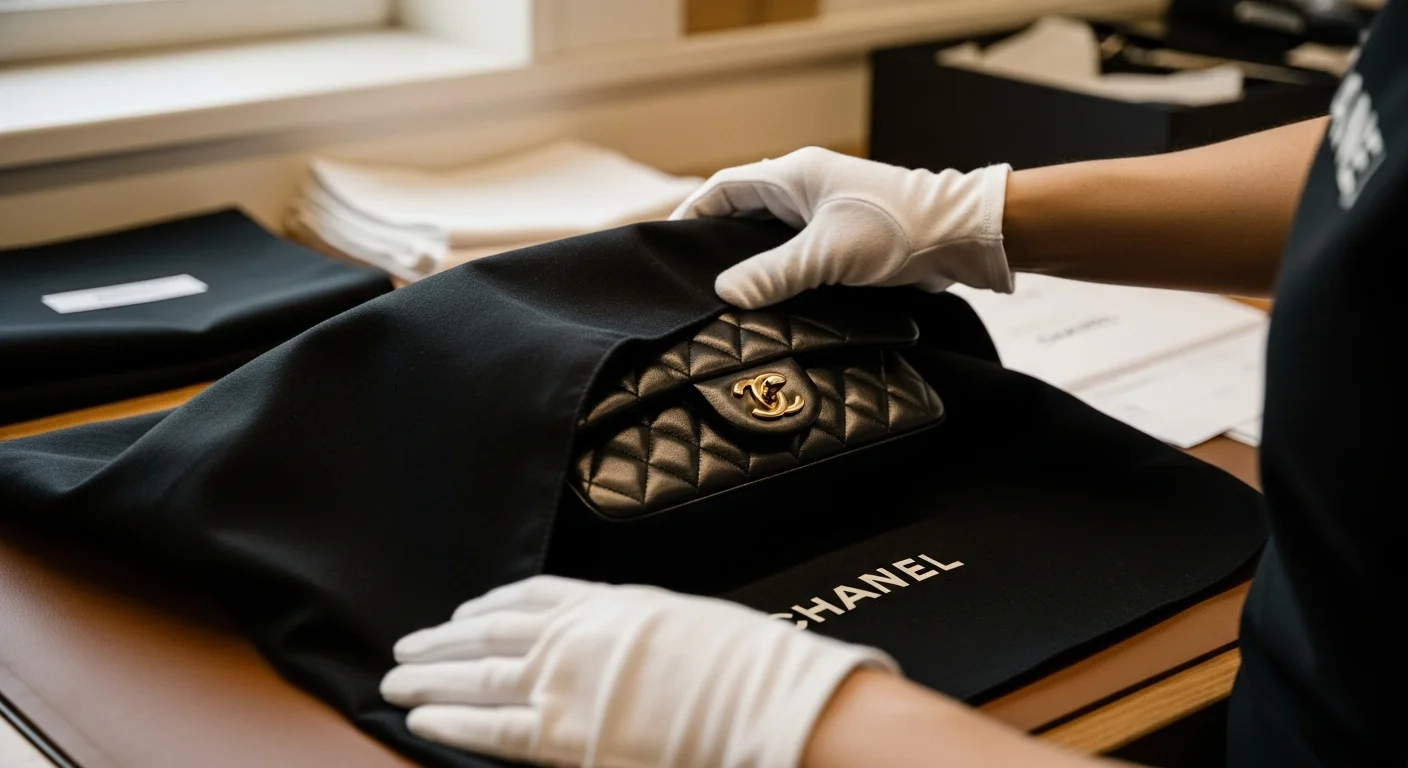
How to Store Luxury Handbags When Not in Use
The Definitive Guide by The Leather Restorators Atelier, Delhi NCR
Introduction: Why Proper Storage Defines a Bag’s Lifespan
Every luxury handbag tells a story of craftsmanship, travel, and time. But what happens when it isn’t in
use?
The truth is that improper handbag storage can cause more damage than daily use especially to
designer bags like Louis Vuitton, Chanel, Dior, and Hermès.
Humidity, color transfer, dust, and improper stuffing silently damage structure and finish. A Louis Vuitton Neverfull left hanging, a Chanel flap pressed under others, or a Hermès Birkin sealed in plastic all face invisible harm that becomes heartbreak over time.
Proper handbag storage is not about hiding your collection; it’s about letting it rest, breathe, and age gracefully like fine leather in a craftsman’s atelier.
This expert guide explains how to store luxury handbags when not in use correctly, safely, and beautifully whether your wardrobe includes Dior, Chanel, Gucci, Hermès, or Bottega Veneta.
1. Understanding the Nature of Luxury Leather
Before boxes and shelves, understand what you’re preserving: luxury leathers are living materials. Lambskin, calfskin, or exotic hides respond to temperature, humidity, and touch.
They absorb moisture, expand with heat, and contract in cold. Natural oils shift subtly inside the grain. Careless designer bag storage flattens quilting, discolors piping, and dries handles.
Good storage means balance air circulation, humidity control, support, and protection from light. That’s the foundation of long-term handbag preservation.
2. The Four Enemies of a Handbag in Storage
Every luxury bag faces four constant threats: light, moisture, gravity, and contamination.
Light
Sunlight fades and oxidizes leather. Pale bags yellow; darker tones bleach. Keep luxury handbags away from UV and harsh indoor lighting.
Moisture
High humidity leads to mold and corrosion; too little causes cracks. Maintain 40–55% humidity for leather handbag storage.
Gravity
Unstuffed bags collapse. Hanging causes stretched handles. Stuff handbags with acid-free tissue to maintain silhouette.
Contamination
Color transfer and acid migration ruin interiors. Avoid plastic bags; they trap humidity and chemicals that affect Louis Vuitton Vernis and similar finishes.
3. Preparation Before Storage
Cleaning
Always clean your luxury bag before storage. Use a microfiber cloth or gentle leather cleaner. For suede or nubuck, brush with a dedicated suede brush.
Conditioning
Lightly condition natural leathers before storage to prevent dryness. Avoid over-conditioning which darkens texture.
Emptying
Remove all contents even receipts. Leftover ink or perfume can stain the lining over time.
Unfastening
Leave zippers and buckles slightly open to prevent stress on seams and maintain shape.
4. Stuffing and Shaping The Foundation of Preservation
Structure defines a handbag’s identity. Gravity can distort shape if unstuffed. Use acid-free tissue or cotton cloth never newspaper.
The Correct Way to Stuff
For structured bags (Birkin, Dior, Antigona), fill corners first. For soft totes, use light folds at the base. Avoid overfilling.
Shaper Inserts
Custom cotton “bag pillows” maintain form and are ideal for Chanel or Hermès storage.
Handle Support
Wrap handles in soft cloth to prevent color transfer or imprinting on lighter leathers.
5. Choosing the Right Storage Environment
Store handbags in a cool, stable climate 18–25°C, humidity 40–55%. Avoid basements and attics. Use silica gel packs, but keep them wrapped in muslin.
In humid climates like Delhi NCR, use a dehumidifier during monsoon. Air circulation and humidity balance are the backbone of luxury handbag preservation.
Avoid direct sunlight; it fades leather and weakens stitching, especially on Vachetta or vegetable-tanned bags.
Always store upright on their base; clutches can lay flat with soft dividers.
6. Dust Bags and Covers Breathability Over Gloss
Use cotton or flannel dust bags for luxury handbag storage. Avoid plastic it traps moisture and suffocates the leather.
Transparent Boxes
If displaying, use ventilated acrylic boxes for safe, dust-free visibility.
Tissue Wrapping
Wrap light-colored handbags in acid-free tissue before placing them in dust bags to prevent dye transfer.
7. Special Storage Needs for Different Materials
Smooth or Calf Leather
Keep separate from textured fabrics. Condition lightly every few months.
Patent Leather
Wrap with tissue to prevent sticking. Don’t let surfaces touch.
Suede and Nubuck
Always store upright and brush before rest. Suede demands ventilation; it’s highly sensitive to moisture.
Exotic Skins (Crocodile, Python, Ostrich)
Maintain balanced humidity. Use conditioners for exotic leather, and allow airflow to prevent softening or lifting scales.
Canvas Bags
Though durable, trims are often Vachetta leather avoid moisture and plastic for Louis Vuitton Monogram care.
8. Preventing Color Transfer and Hardware Tarnish
Color Transfer
Separate light and dark bags with cotton dividers. Avoid dyed fabrics that may stain luxury leather.
Hardware Protection
Wrap metal parts in tissue to prevent oxidation. Anti-tarnish strips or microcrystalline wax preserve luster.
9. Rotating Your Collection
Every few months, air out stored bags. Rotation prevents stiffness and keeps leathers supple. Regular handbag maintenance is key to longevity.
10. Seasonal Storage Tips
Monsoon Use desiccants; avoid sealed cupboards.
Winter Add gentle humidity; prevent dryness.
Summer Keep away from AC vents and sunlight.
11. When and How to Use Leather Protectors
Use breathable, non-silicone protectors made for luxury leather handbags. Test first on hidden areas and avoid glossy finishes that block pores.
12. Long-Term Storage (6 Months or More)
- Clean, condition, and wrap metal parts individually.
- Stuff with acid-free tissue.
- Store in dust bag within cotton-lined box.
- Use silica gel (outside the bag).
- Label and air out periodically.
13. How Not to Store a Luxury Handbag
- Never hang by handles.
- No plastic or zip bags.
- No items left inside.
- No newspaper stuffing.
- No stacking or weight pressure.
Proper designer bag care is mindfulness, not effort.
14. Displaying Luxury Bags Safely
Showcasing your collection? Use UV-filtered glass and soft lighting. Avoid heat from LEDs. Give each bag space friction can cause polish wear.
15. The Role of Airflow and “Breathing Space”
Leather must breathe. If your storage smells musty, open it more often. Alternate open shelves and enclosed boxes to allow micro-circulation.
16. Professional Storage Services for Collectors
For collectors of Hermès, Chanel, or exotic handbags, professional storage ensures stability. The Leather Restorators offers climate-controlled handbag storage and rotation in Delhi NCR.
17. A Case from the Atelier: The Forgotten Chanel Classic
A Chanel Lambskin Classic Flap left untouched for two years arrived flattened and stiff. Controlled humidity, micro-steaming, and conditioning restored it proof that even luxury leather needs air and touch.
18. Frequently Asked Questions
Should I store handbags in boxes? Yes only breathable ones with airflow.
Can I hang handbags? No, it stretches handles.
Can I use silica gel? Yes, but never inside the bag.
Why does my bag smell musty? Trapped humidity air it out and use charcoal sachets.
Do unused bags need conditioning? Yes, at least once or twice a year.
19. Final Thoughts: Storage as an Act of Respect
Luxury handbag storage is an act of appreciation. A Hermès or Chanel bag is not just a purchase it’s heritage in motion.
When you clean, stuff, and store your bags thoughtfully, you preserve craftsmanship and emotion. Proper storage for designer handbags is preservation, not maintenance it’s what keeps luxury timeless.
Let Us Store Them for You
Don't let humidity ruin your collection. We offer climate-controlled, insured luxury handbag storage in Delhi NCR. Secure your investment with our museum-grade preservation archives.